Experiential Marketing: Transforming Luxury Hotel Stays
- 13 may 2024
- 4 min de lectura
In the competitive landscape of luxury hospitality, experiential marketing has become a cornerstone for distinguishing brands and nurturing enduring relationships with customers. This approach is particularly crucial in luxury hotels, where the expectation is not merely for exceptional service but for genuinely transformative experiences that resonate on a personal level.

Source: Four Season Hotel Las Vegas
Strategic Personalization at Every Guest Touchpoint
The essence of luxury hospitality lies in its ability to deliver custom-made experiences at every guest interaction. From the initial reservation process to the post-departure follow-up, luxury hotels must meticulously craft each touchpoint to reflect the guest’s preferences and enhance their overall experience. This strategy involves a precise level of personalization that includes:
Customized communication: Tailoring communication methods and styles to suit the preferences of each guest, whether through text, email, or personal calls.
Personalized guest experiences: Designing unique in-room amenities, custom dining experiences, and personalized activity itineraries that align with the guest's interests and expectations.
Marketing’s Role in Creating a 360-Degree Experience
Marketing plays a central role in orchestrating a 360-degree experience that encapsulates every aspect of the guest's journey. It is the responsibility of the marketing team to ensure that the brand's promise of exclusivity and personalization is communicated and delivered consistently across all channels and touchpoints.
From digital campaigns that showcase the hotel’s unique offerings to on-site interactions that reflect the brand's commitment to excellence and attention to detail, marketing strategies are designed to intertwine a seamless narrative that encases the guest from the moment they consider booking to long after they depart. This holistic approach not only enhances the guest experience but also reinforces the brand’s image as a curator of tailor-made luxury experiences. By integrating traditional marketing techniques with innovative digital strategies, luxury hotels can create a dynamic and immersive environment that delights guests and sets the standard for luxury hospitality.
Leveraging Advanced Technologies to Elevate Guest Experiences
The strategic integration of advanced technologies is crucial for differentiating properties and elevating the overall guest experience. These technologies not only enhance operational efficiencies but also profoundly enrich the guest's engagement with the hotel environment.
Virtual Reality (VR): employed by luxury hotels to offer guests immersive previews of their accommodations, amenities, and local attractions before their arrival. This feature is particularly advantageous for planning and visualizing events, allowing guests and planners to tour venues virtually and customize layouts to exact specifications, ensuring that every detail aligns with their specific needs.
Augmented Reality: AR technology enhances the physical environment by overlaying digital information onto the real world, providing guests with enriched interactive experiences. For instance, through AR, guests can explore the provenance of room furnishings or view menu items in 3D before ordering.
Artificial Intelligence: AI systems analyze vast amounts of data to predict and cater to guest preferences with remarkable precision. In-room AI assistants can manage ambient room settings, including lighting, temperature, and entertainment, according to individual preferences noted in the guest’s profile. AI also optimizes hotel operations by predicting staffing needs and managing resources efficiently.
Internet of Things (IoT): IoT integrates disparate devices and services across the hotel to create a seamless user experience. Rooms equipped with IoT technology can automatically adjust environmental settings based on real-time data from the guest’s profile, such as preferred room temperature or lighting, enhancing comfort without manual input.
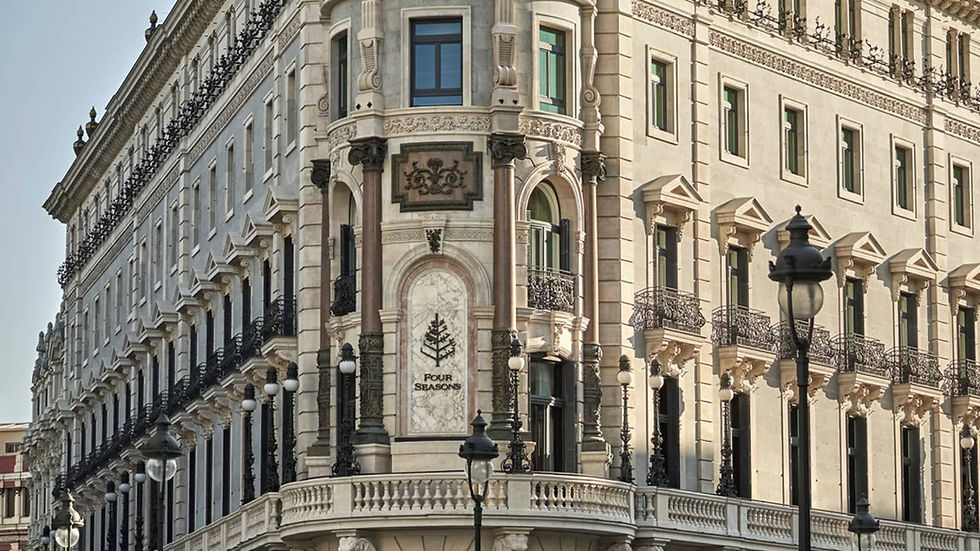
Source: Four Seasons Hotel Madrid
Case Study: Four Seasons Hotels and Resorts
Renowned for its unparalleled commitment to luxury and service, Four Seasons Hotels and Resorts stands as a paragon of innovation in the hospitality industry. Through a sophisticated use of integrated guest experience technologies, real-time communication enhancements, and tailored wellness and cultural offerings, Four Seasons not only meets but often exceeds the expectations of the most discerning travelers.
Integrated Guest Experience Technology: The Four Seasons App allows guests to tailor every aspect of their stay from the moment of booking. The app facilitates everything from remote check-in and room selection to personalization of pillows and room amenities, ensuring that guests' preferences are meticulously catered to upon arrival.
Four Seasons Chat: This innovative feature available through the app and other popular messaging platforms employs real-time translation technology to facilitate communication, ensuring that guests’ requests are met with unprecedented precision and efficiency.
Smart Room Features: Guest rooms are equipped with smart tablets that control various functionalities, from environmental controls to ordering room service. These tablets also serve as comprehensive digital concierges, providing detailed information about hotel amenities and local attractions.
Personalized Wellness Programs: Four Seasons focuses on wellness tailored to individual needs, offering personalized wellness retreats that combine fitness activities, nutrition, and spa treatments. For example, some properties offer yoga sessions with expert instructors or guided meditation in unique settings, like a secluded beach or atop urban skyscrapers.
Signature Experiences: Each property often features signature experiences that reflect the local culture and environment. For instance, Four Seasons Safari Lodge Serengeti has a unique Discovery Centre where guests can learn about the local wildlife and ecosystem. Other properties may offer cooking classes with local chefs or guided tours to nearby historical sites.
In conclusion, experiential marketing is imperative in the luxury hotel industry. It transforms standard service offerings into personalized guest journeys, creating unforgettable experiences that exceed expectations. As luxury hotels continue to embrace this approach, brands like Four Seasons are not just participating in the industry; they are shaping its future, ensuring their place at the forefront of the luxury hospitality market.



Comentarios